 AmongUsBase
By 2026, the strangest Pride Month promotion in mobile gaming still carried a bitter punchline: Injustice 2 Mobile asked its community to celebrate LGBTQ visibility by pummeling Poison Ivy, a canonically queer character, into submission. The contradiction was not subtle. It was a live-service spectacle that turned a rainbow-season gesture into a combat loop, and players noticed immediately.
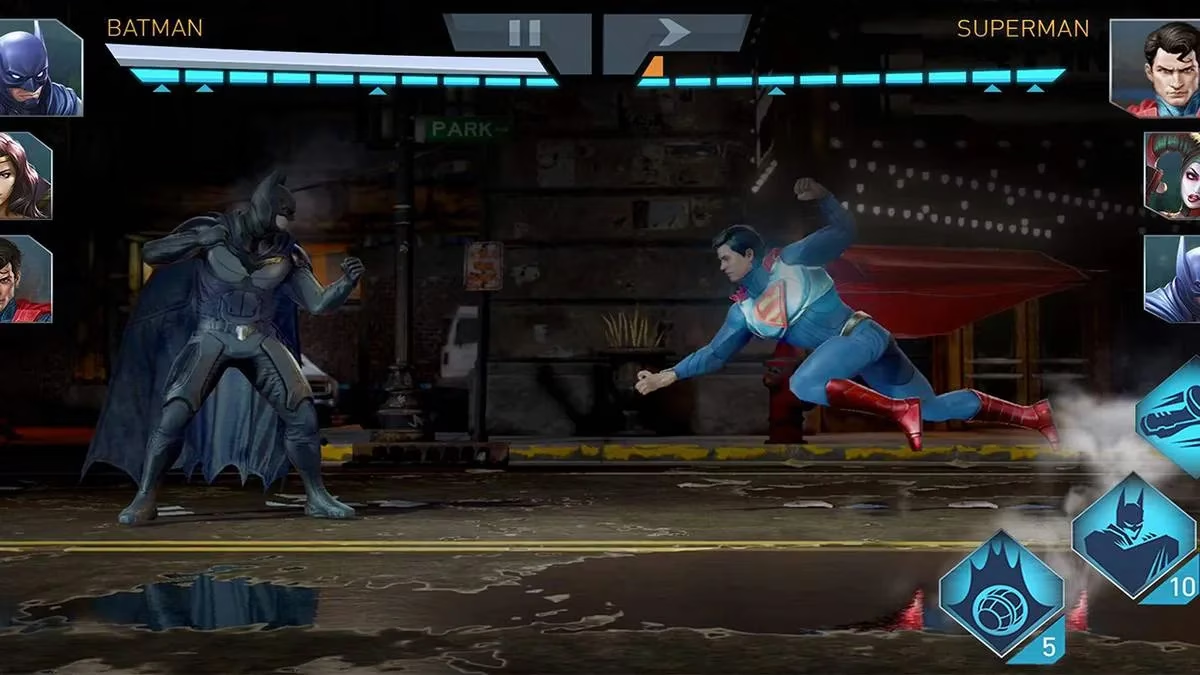
The event was framed as a community challenge. Players were asked to defeat Poison Ivy repeatedly, and progress updates were shared through the game's social media account. A June 2 update reported that the challenge had been completed 175,000 times, with another 225,000 victories needed before the first reward tier would unlock. On paper, it looked like a standard mobile-game milestone grind. In context, it looked like a Pride Month event built around violence against an LGBTQ character.
A Challenge Built on the Wrong Target
Poison Ivy is not a blank villain in the Injustice universe. In many depictions, she is canonically gay and has been portrayed in a relationship with Harley Quinn. That detail mattered. For LGBTQ players, Poison Ivy is part of a small but meaningful gallery of queer characters in mainstream comics and games. Turning her into the punching bag for a Pride celebration felt less like an oversight and more like a failure of narrative awareness.
The mobile game's event was not subtle about its mechanics. The community was not invited to protect Poison Ivy, team up with her, or explore her story. They were instructed to beat her. The reward structure encouraged repetition, which meant the contradiction was not a single unfortunate frame but an ongoing loop. Every milestone update made the problem more visible.
The Backlash Was Immediate
Responses to the milestone posts ranged from disbelief to anger. Some players mocked the situation with dark humor, pointing out how painfully obvious the backlash should have been. Others were scathing, linking the event to the harassment and violence that LGBTQ communities regularly face. The tone across the conversation was overwhelmingly negative, and the consensus was hard to miss: this was a terrible idea.
| Element | Detail |
|---|---|
| Event theme | Pride Month community challenge |
| Player task | Defeat Poison Ivy |
| Reported progress | 175,000 completions, 225,000 more to first reward tier |
| Character context | Poison Ivy is canonically queer and linked to Harley Quinn |
| Public reaction | Overwhelmingly negative |
| Company response | No immediate public response at the time |
At the time, the Injustice 2 mobile account had not responded to the controversy. It was unclear whether the company would address the criticism, swap in a different combatant, or let the event run its course. That silence added another layer to the problem. In live-service games, silence can feel like indifference, and indifference during Pride Month is especially costly.
Why the Misstep Still Matters in 2026
The incident has aged into a cautionary tale for studios that want to celebrate inclusive themes without thinking through their own mechanics. Pride Month events are not only about logos, banners, and reward calendars. They are about context. A game can put a rainbow on the screen and still undermine its own message if the player's core action is to attack the very character the event claims to honor.
By 2026, players are more fluent in reading these contradictions. They notice when representation is treated as a marketing layer rather than a design consideration. They ask who is being celebrated, who is being harmed, and whether the event's mechanics match its stated values. Injustice 2 Mobile's Poison Ivy challenge failed that test in a way that was easy to understand and hard to forget.
The game itself remained available on Mobile, PC, PS4, and Xbox One, and the Injustice series retained its following. Yet the episode left a sour taste for many. It showed that a Pride event can become a public-relations disaster not because of malice, but because no one stopped to ask a simple question: what does this event ask players to do? In this case, the answer was clear, and it was the wrong one. 🌈❌