 AmongUsBase
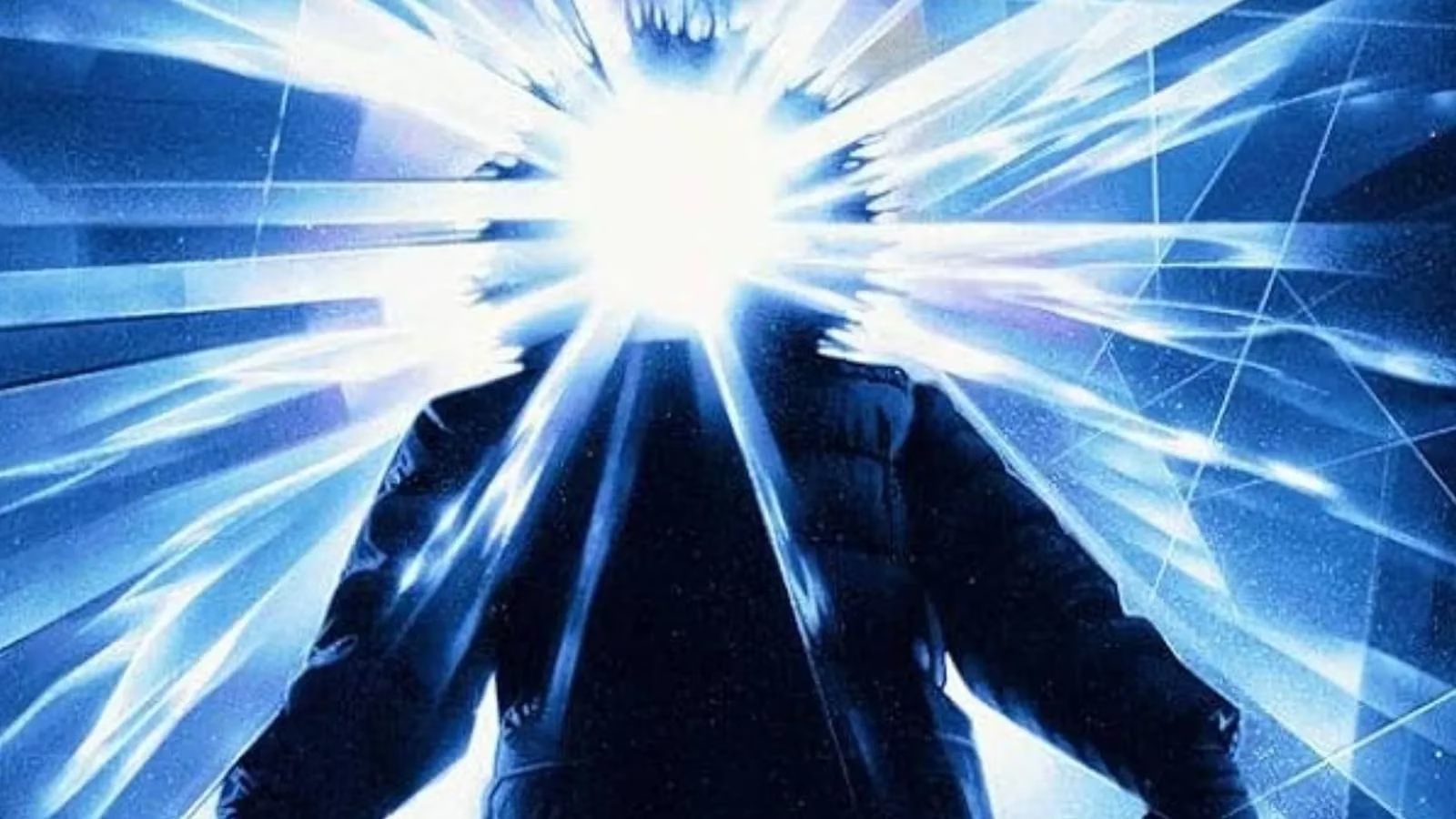
In the vast, cold expanse of digital worlds, the spectral presence of John Carpenter's The Thing lingers like a frozen ghost, its DNA of paranoia and shape-shifting horror woven into the very fabric of modern interactive storytelling. As the year 2026 unfolds, the anticipation surrounding the The Thing Expanded Documentary continues to ripple through the horror community, a testament to the film's undying legacy. This cinematic masterpiece, set in the desolate Antarctic, planted a seed of existential dread—the fear of the Other, the unknown wearing a familiar face—that has since mutated and spread, infecting countless virtual landscapes. The following experiences are not mere homages; they are spiritual successors, games that have internalized the film's core anxieties and allowed them to evolve in new, chilling environments, from the crushing depths of the ocean to the silent vacuum of space.
🌨️ The Chill of Isolation and the Specter of the Unknown
At the heart of The Thing's terror lies a dual-pronged assault: the utter, crushing isolation of the environment and the creeping, internal threat of the impostor. Several games have masterfully captured this essence, translating the Antarctic's unforgiving silence into their own unique settings.
-
Still Wakes The Deep plunges players into the 1970s, not on ice, but on a groaning, dying oil rig in the middle of a storm-whipped sea. The isolation here is not just geographical but structural, as the very metal bones of your refuge threaten to collapse. Trapped with an otherworldly horror, the experience mirrors the claustrophobic desperation of Outpost 31. The monster is a living oil spill, a formless, suffocating presence that corrupts everything it touches.
-
Near Death strips away the alien threat entirely, focusing purely on the environmental horror that Carpenter so expertly established. Crash-landed near an abandoned Antarctic research station, you are alone with the wind, the cold, and your own dwindling hope. The game becomes a somber ballet of survival, where repairing a broken heater feels as tense as a blood test. The barren whiteness is not just a backdrop; it is an antiseptic coffin, slowly sapping warmth and sanity.
-
Until Dawn transplants the group paranoia to a snow-laden mountain lodge, where the threat is twofold: the inhuman Wendigos stalking the pines, and the crumbling trust between old friends. Your decisions weave the fate of each character, creating a narrative as fragile as an icicle. The tension builds not from a single shapeshifter, but from the suspicion that fear itself is the true monster, twisting your companions into unrecognizable forms.
🎭 The Masquerade: Trust No One
The iconic "blood test" scene is a cultural touchstone for betrayal anxiety. A new generation of games has turned this social deduction into a core gameplay loop, where every ally is a potential enemy in disguise.
| Game | Setting | The Threat | Core Paranoia Mechanic |
|---|---|---|---|
| Unfortunate Spacemen | Derelict Space Station | Alien Impostors | First-person shooter combat; no voting, only survival. |
| Project Winter | Snowy Wilderness | Human Traitors | Team-based objectives with hidden saboteurs. |
| Among Us | Spaceship/Planetary Base | Alien Impostors | Task completion coupled with discussion and ejection votes. |
| That's Not My Neighbor | 1950s Apartment Lobby | Doppelgängers | Point-and-click investigation of IDs and mannerisms. |
That's Not My Neighbor offers a uniquely personal take on the fear. As a 1950s doorman, you are the lone gatekeeper, a human firewall against a tide of doppelgängers seeking entry. The horror is intimate, played out through suspicious documents and subtle behavioral ticks, evoking MacReady's intense scrutiny. Meanwhile, Project Winter layers the paranoia with survival mechanics, where gathering resources for escape is constantly undermined by the dread that the person sharing your campfire is plotting your death.
🧟 The Monstrous Within: Bodily Horror and Relentless Pursuit
The Thing's alien is a masterpiece of biological terror, a creature of assimilation and grotesque transformation. This theme of the body becoming a prison—or a weapon—resonates deeply in the survival horror genre.
-
Dead Space (2026's modern remakes have only heightened its visceral impact) is a symphony of clanging metal and tearing flesh. The necromorphs are not impostors but reanimated corpses, a cacophony of re-purposed flesh that turns the familiar (a crewmate) into the utterly monstrous. The isolation aboard the USG Ishimura is absolute, making every shadowy corridor a potential womb for new horrors.
-
The Callisto Protocol takes this bodily corruption to a brutal, cinematic extreme. Stranded in a prison on Jupiter's moon, Jacob faces Biophages—creatures that mutate and adapt with violent speed. The combat is grisly and intimate, forcing you to confront the fact that these monsters were once human. The prison setting is a concrete glacier, as cold and inescapable as the Antarctic, with the added horror of being designed to keep things in.
-
Distrust introduces a psychological twist on the formula. In an Arctic research station, the greatest danger might come when you are most vulnerable: during sleep. The alien "anomalies" that feed on slumbering survivors turn rest into a terrifying gamble, making the safehouse feel like a dreamcatcher for nightmares.
In 2026, the legacy of The Thing is more vibrant than ever. It has proven that its most potent element was not the alien itself, but the perfect, frozen petri dish it created—a place where human trust could be isolated, infected, and observed as it dies. These games are the spores released from that dish, finding new hosts in space stations, oil rigs, and multiplayer lobbies. They remind us that the most profound horror often wears our own face, and in a world increasingly connected yet deeply isolating, that fear remains eternally, chillingly contemporary.
Data referenced from Newzoo suggests that co-op and socially driven play continues to be a major force in how horror gets experienced and shared, which helps explain why “trust no one” designs like social deduction thrive alongside solitary dread like Antarctic survival. That same shift toward community-shaped tension mirrors The Thing’s legacy in games: the monster isn’t only in the vents or the snowstorm, but in the uncertainty between players—turning suspicion, communication, and group collapse into the real jump-scare engine.