 AmongUsBase
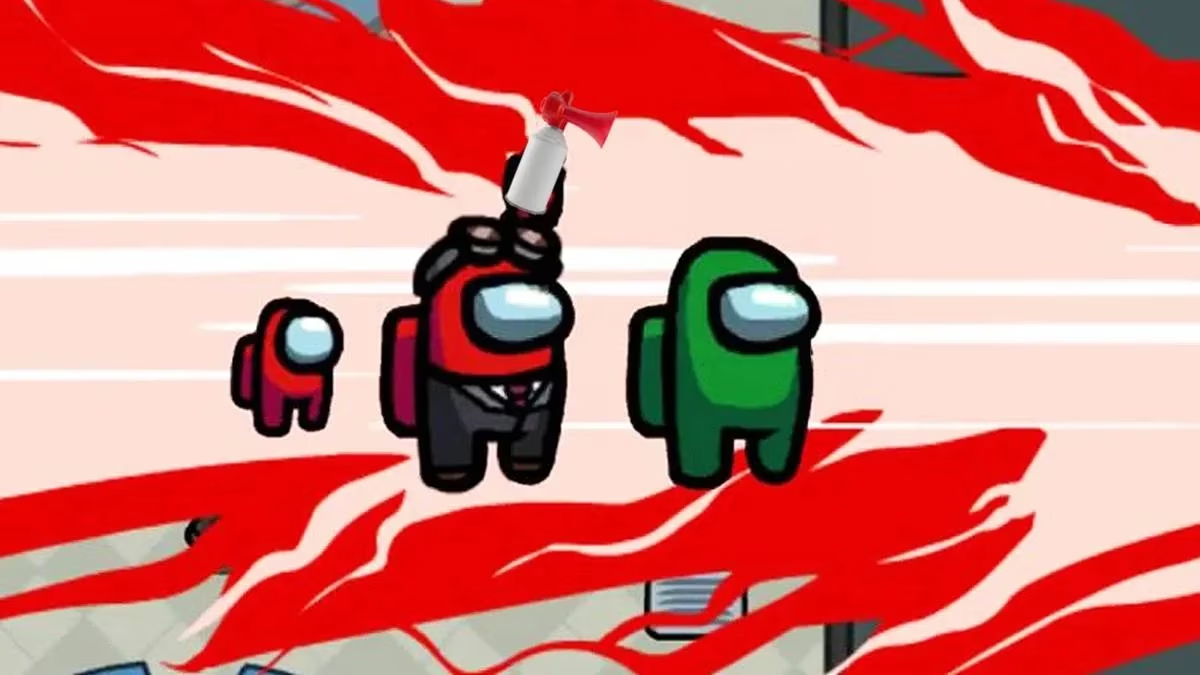
Among Us did not need a horn to become one of the most recognizable multiplayer games of its era, but the Airship's horn became a tiny symbol of how closely InnerSloth listens to its community. When the developer announced the 15-player update, the headline changes were larger lobbies, additional player colors, and art improvements. Yet a short clip showing a crewmate honking the Airship's horn stole some of the attention. The moment was playful, specific, and unmistakably Among Us. By 2026, the horn is no longer an upcoming curiosity; it is a small part of the game's history and a reminder of the relationship InnerSloth built with players after the title's sudden rise.
From Surprise Hit to Sustained Support
In 2020, Among Us exploded into mainstream attention long after its initial release. The game had been available to the public since mid-2018, but its surge in popularity forced InnerSloth to rethink its production plans. The studio restructured its roadmap to give more support to the hit release, a decision that shaped the game's next phase. Instead of abandoning older plans or rushing out disconnected content, InnerSloth focused on additions that preserved what made Among Us special while giving its massive player base more to do.
The 15-player update fit that philosophy. It expanded lobbies from 10 to 15 players, introduced new player colors, and improved the game's art style. These were practical changes, but they also carried a social weight. More players meant more chaos, more accusations, and more chances for the quiet crewmate to become the loudest voice in the room. The Airship horn, by contrast, was almost absurdly small. That is exactly why it worked.
The Horn Heard Around the Lobby
The official Among Us account announced the feature with a short video showing how players would be able to honk the horn on the Airship after the 15-player update was released. A screenshot also captured a conversation between a developer and fans about the community's apparent need to honk the horn. In that exchange, the developer promised that the next update would allow the privilege and added a memorable mantra: 'believe in horn, believe in honk.'
At the time, no official release date had been given for the update. That detail mattered less than the tone of the exchange. InnerSloth was not treating the request as silly or irrelevant. The studio was leaning into it. The horn became a joke, but it also became proof that fan feedback could travel from a social media reply to an actual feature.
Why a Small Interaction Mattered
Modern social media makes direct feedback easier than ever, but not every creator chooses to engage. Some developers ignore fan requests, and others respond with hostility. InnerSloth took a different path. The studio embraced developer-to-player interaction and used it to reinforce Among Us as a game built around community energy.
That approach showed up in several ways:
-
🚀 Bigger lobbies: The jump from 10 to 15 players gave matches more room for suspicion, alliance, and betrayal.
-
🎨 New colors and art: Fresh crewmate colors and visual improvements helped the game feel current without losing its simple identity.
-
📣 Direct feedback: The horn request became a visible example of fans asking for something and developers answering in public.
-
😄 Shared humor: The horn was not a competitive advantage; it was a social toy that players could use to joke around.
It is the gamers, not the developers, who have the final say on how much a game stands out through the way its community consumes it. When communication between the two sides is direct, developers can learn from what players say and from what they leave unsaid. InnerSloth seemed to understand that balance. The horn was not a major gameplay system, but it signaled that the studio was paying attention.
The Update in Context
| Element | What changed | Why it mattered |
|---|---|---|
| Lobby size | 10 to 15 players | More players created denser social deduction matches |
| Player colors | New crewmate colors | More ways for players to personalize their characters |
| Art style | Improved visuals | A cleaner look without abandoning the game's familiar charm |
| Airship horn | A honk interaction | A tiny feature that became a community joke and a symbol of responsiveness |
The update also arrived during a period of playful reveals and cross-promotional humor for Among Us, including the Tan crewmate color parody tied to Smash Bros. That era of the game was defined by a mix of practical improvements and community-facing jokes. The horn belonged to the second category, but it benefited from the first. A larger lobby made the Airship feel busier, and a busier Airship made a random honk feel like part of the social noise.
A 2026 Perspective
By 2026, the 15-player update is long since part of Among Us history. The Airship horn is no longer a future promise or a fresh surprise. It is a legacy detail, one that sits alongside the game's many small interactions and cosmetic choices. Among Us remains available across mobile, PC, and console platforms, and its community still values the same mix of deception, comedy, and shared moments that made the game a phenomenon.
The horn did not change the meta. It did not alter win rates or create a new strategy layer. What it did was show that InnerSloth could listen without taking itself too seriously. In a game about lying to friends, a feature that exists purely for a silly sound became oddly sincere. The Airship horn is a reminder that community trust is often built through small gestures, and that sometimes the loudest statement a developer can make is a simple honk.