 AmongUsBase
The long-awaited leap into the third dimension for Among Us arrived earlier this week, ditching the flat, 2D aesthetic for a fully realized 3D world (outside of its existing VR incarnation). Launching to a wave of excitement, Among Us 3D has garnered 'Mostly Positive' reviews on Steam, a testament to the core gameplay's enduring appeal. Players are finally experiencing the tense social deduction and frantic task-completing in a whole new perspective. 
However, this shiny new package comes wrapped in a seriously concerning layer of privacy agreements. Digging into the user reviews, especially the negative ones piling up, reveals a consistent and alarming theme: the game demands players agree to a ton of privacy terms, seemingly centered around constant voice chat recording and extensive gameplay metric collection. While the intention to moderate a game inevitably flooded with younger players is somewhat understandable – gotta keep things PG and avoid a total dumpster fire of toxicity – the sheer scope of the monitoring feels invasive. It's like the developers installed security cameras in every vent, not just the corridors.
The real kicker, the thing that's really got players seeing red, isn't just the recording itself, but where it's being enforced. The moderation systems, designed to catch foul language and harassment, appear to be operating with zero distinction between public chaos and private, friends-only lobbies. Scrolling through the negative reviews feels like reading a litany of frustration:
-
"No point playing with friends": User Luca's succinct review highlights the core issue – they got banned purely based on voice chat recordings within their private group.
-
"Banned in the first hour": Another player recounts being swiftly shown the virtual door for some salty language, despite being in a private lobby where everyone knew each other and no reports were filed.
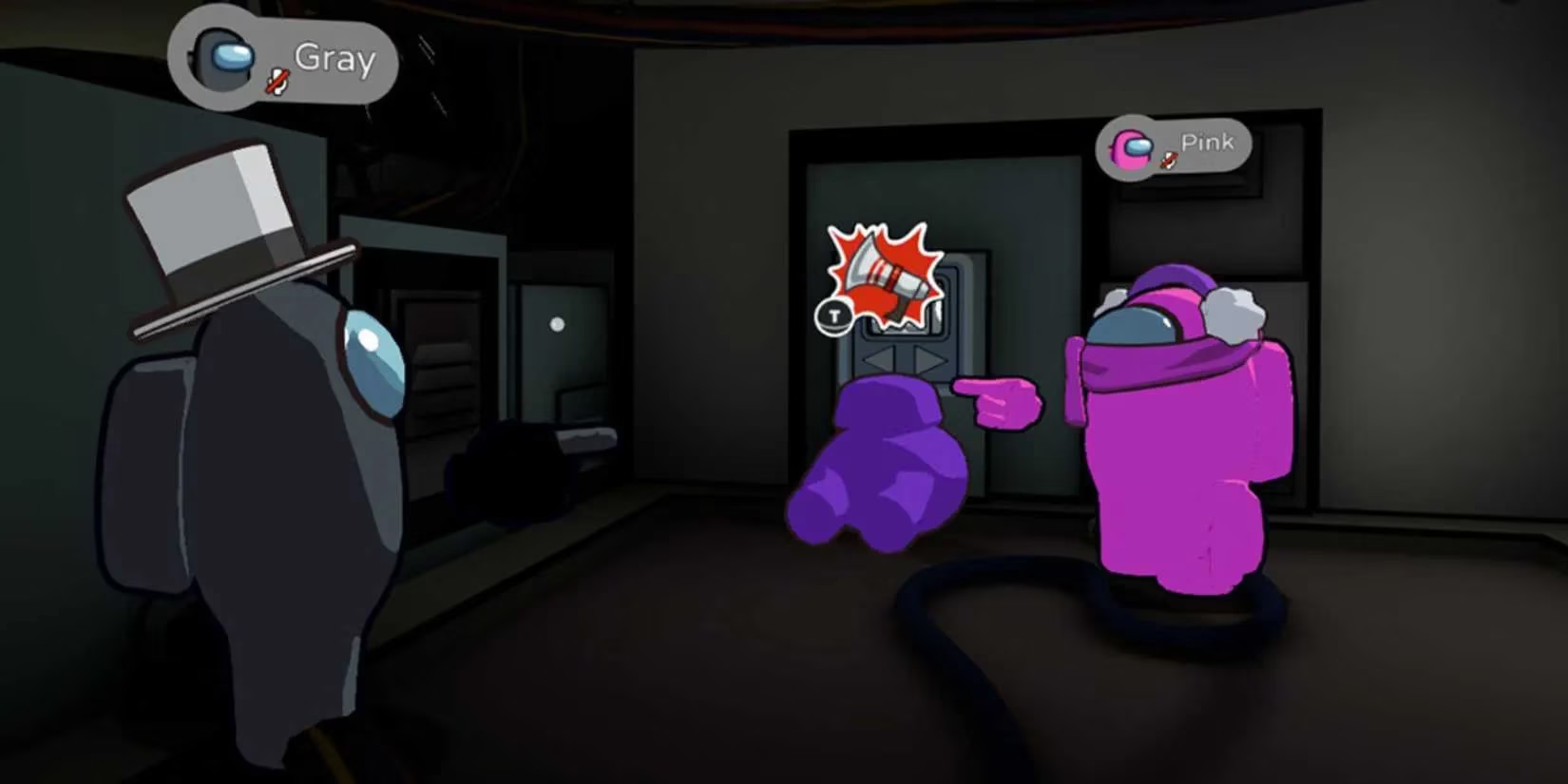
-
"Refunded immediately": This sentiment echoes across numerous negative reviews. Players who experienced the auto-ban hammer, or even those just creeped out by the privacy implications, are hitting the refund button faster than an Imposter can sabotage O2.
Honestly, it feels like overkill. The charm of playing Among Us privately with friends often involves the unfiltered chaos, the playful accusations, the inevitable salty outbursts when you get vented right after fixing the reactor. It's part of the fun, the social glue. Applying the same heavy-handed, AI-driven moderation used for public matches to these intimate settings completely kills the vibe. It's like having a chaperone at a sleepover with your best mates – totally kills the mood, dude. The idea that an algorithm is listening in, ready to drop the banhammer for a well-timed "What the heck, Steve?!" in a private room feels incredibly dystopian and, frankly, a bit Big Brother-ish.
This aggressive approach has created a significant rift. While the core 3D gameplay seems solid and enjoyable, the privacy policies and moderation tactics are a major turn-off for a vocal segment of the player base. The result? A noticeable wave of refunds and players actively stating they're avoiding the purchase altogether due to the "creepy" surveillance aspect. Many are simply deciding to stick with the classic 2D version where private lobbies still feel genuinely private. It's a real shame, because the potential for 3D Among Us was sky-high.
So, where does this leave Among Us 3D? Can it find a balance between necessary protection for its younger audience in public spaces and respecting the autonomy and privacy of friends just trying to have a chaotic good time behind closed (virtual) doors? Is the price of a safer public space the death of unfiltered fun in private sessions, and is that a trade-off players are willing to accept?