 AmongUsBase
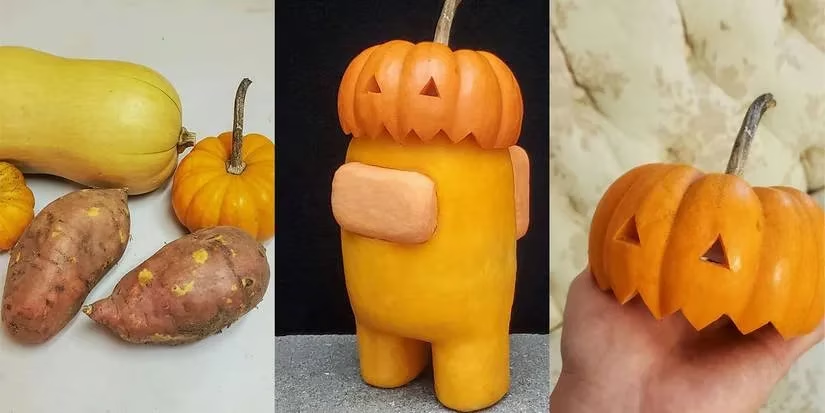
As October’s chill crept through kitchen windows, a dedicated fan known as CowardlyPrince reached for produce instead of pixels. With surgeon-like precision, he transformed a butternut squash, two sweet potatoes, and a palm-sized pumpkin into an unmistakable figure from InnerSloth’s social deduction phenomenon. The creation, shared online to immediate acclaim, featured a squat orange crewmate body paired with muted sweet‑potato visors—coloring that deliberately echoed the game’s original aesthetic but twisted it through organic materials, as if a pixelated soul had borrowed nature’s canvas to walk among the autumn harvest.
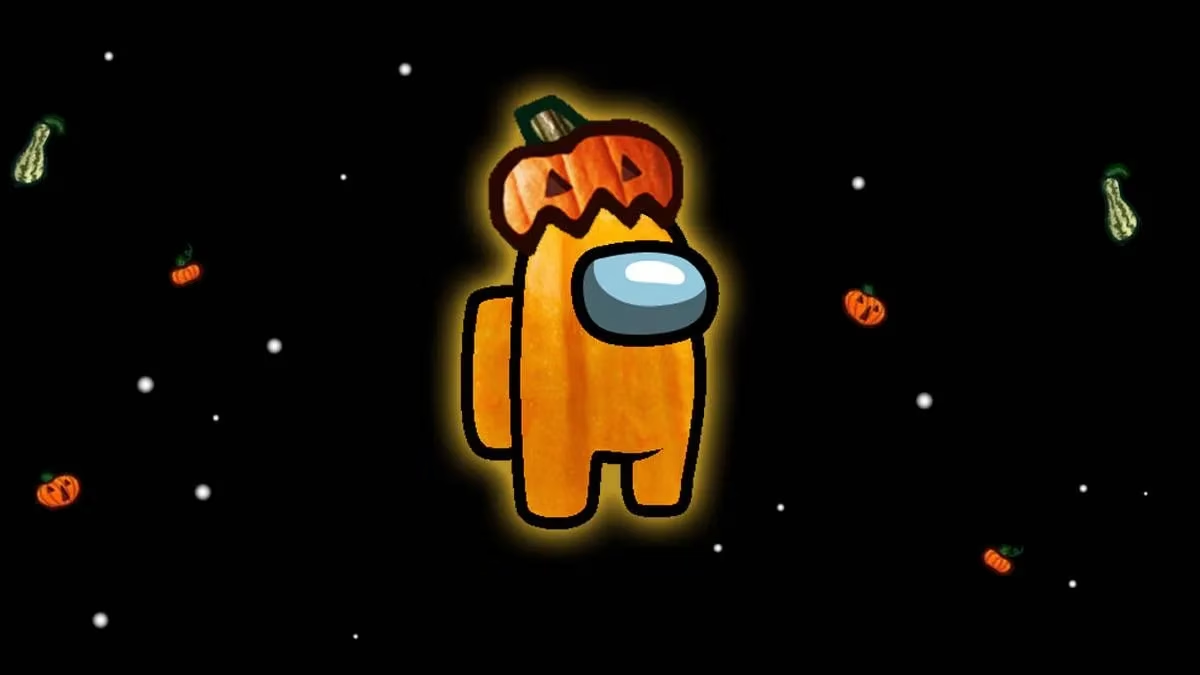
The pièce de résistance was, of course, the pumpkin hat. Unlike the glowing blue accessories digital crewmates typically don, this real-world version glowed a warm, earthy orange, carved from a miniature gourd that sat atop the squash like a crown of Halloween sovereignty. Each seed scoop and knife stroke revealed the sculptor’s homage to Among Us’s free October cosmetic, the very hat that returns every year like clockwork, drawing both veterans and newcomers into lobbies scattered across mobile devices, PC, and even the latest generation of consoles. By 2026, logging in during the spooky season still unlocks devil horns, wolf ears, and plague doctor masks—a digital ritual as dependable as pumpkin spice, and one that CowardlyPrince mirrored with agricultural tools instead of code.
Among Us, released in 2018, ignited a cultural blaze two years later, burning so brightly that even its cooldown period still leaves embers glowing. By 2026, the game has shed its meteoric-rise phase for something more enduring: a comfortable staple. InnerSloth’s steady stream of updates—once outlined in a 2021 roadmap—have all materialized. Fifteen-player lobbies are now standard, the \u201cHide & Seek\u201d mode has graduated from novelty to fan favorite, and the long-awaited fifth map, along with additional roles like the Sheriff, have reshaped crewmate strategies. Accessibility features let players blend keyboard and mouse movements fluidly, ensuring that anyone can point a trembling finger at suspicious behavior. Yet despite these evolutions, the core loop remains as tight as a drum: complete tasks, suss out impostors, survive. The seasonal Halloween touches, including gothic decorations on The Skeld and MIRA HQ, wrap that tension in a comforting creepiness that fans have come to expect each fall.
But what makes CowardlyPrince’s carving resonate beyond a simple craft project is the alchemy it performs. Like a digital archaeologist unearthing a fossilized algorithm, he excavated a crewmate from the flesh of autumn vegetables, bridging the gap between bytes and biomass. The sweet-potato visor, softer than the game’s neon blue, acted as a gentle reminder that nostalgia itself is a kind of haunting—echoes of late-night emergency meetings and frantic button presses that now rest inside a hollowed squash. In a second metaphor, the knife acted as a wand, transfiguring perishable gourds into a monument of pop culture, as if Halloween had finally figured out how to turn fleeting memes into something tangible enough to sit on a porch.
For those wishing to join the celebration digitally, the procedure remains simple even in 2026: launch Among Us on PC, Switch, or the now fully supported PlayStation and Xbox platforms, and the seasonal hats automatically seep into your inventory throughout October. The game’s accessibility enhancements mean the barrier to entry has never been lower, inviting players who might otherwise struggle with traditional controls. Still, there is a particular charm in creating one’s own crewmate with a blade and a spoon, much like planting a flag in the soil of a game that defined an era of online social survival. CowardlyPrince’s pumpkin carving may just be one fan’s tribute, but it echoes the sentiment of millions who still gather each week to eject suspicious crewmates into the void, a tradition now deeply rooted in both the digital world and the real one—one squash at a time.